Designing Outdoor Living for Bradenton Beach Homes
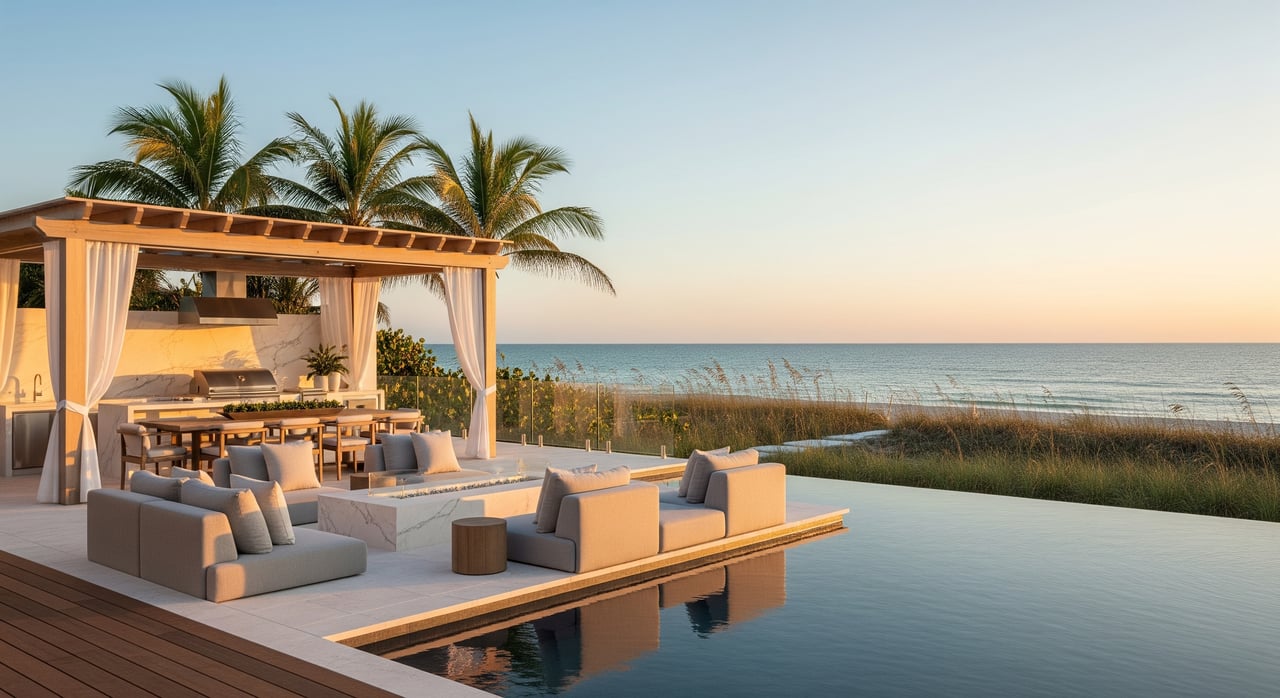
Salt air, sunshine, and Gulf breezes make outdoor living in Bradenton Beach hard to beat. The trick is building a space that stays beautiful through summer storms, salt spray, and the rainy season. In this guide, you’ll learn how to plan for local conditions, choose durable materials and plants, understand permits, and protect your investment over time. Let’s dive in.
Bradenton Beach sits on a low-lying barrier island with hot, humid summers and a long wet season. That means shade, airflow, and drainage matter as much as looks. It also means you should plan for coastal flooding and storm surge.
In coastal flood zones, elevate living areas and critical systems above your Base Flood Elevation with appropriate freeboard. FEMA outlines elevation options, open foundations on piles or columns, and strategies to route electrical, HVAC, and gas lines safely. Start with FEMA’s coastal guidance on elevating and flood-resistant design.
In V and Coastal A zones, the space below elevated structures should remain open to let water flow. If you use walls, they should be designed to break away. Place patios, storage, and non-structural items where floodwater will not trap or damage them. The same FEMA resource above provides the standards.
Salt air accelerates corrosion. Use marine-grade 316 stainless steel for fasteners and hardware, since 304 tends to pit faster in chlorides. Learn why 316 performs better in coastal conditions in this overview of marine-grade stainless.
Composite or capped composite decking resists rot, salt, and UV better than untreated wood. Permeable pavers or raised decks help reduce runoff and standing water during heavy rains. Compare options with this guide to decking types and costs.
Look for powder-coated aluminum frames, HDPE synthetic wicker, teak, and marine-grade fabrics like Sunbrella. Choose quick-dry cushions you can remove and store when storms approach. See what lasts in salt and sun in this review of weatherproof outdoor furniture.
Fixed decks, covered lanais, outdoor kitchens, and pools usually require building permits. Gas, electrical, and plumbing work must meet code. Fire features and wood-burning elements may have local rules. Start with the City of Bradenton Beach for permit requirements and then confirm any county or state reviews tied to flood, shoreline, or environmental zones.
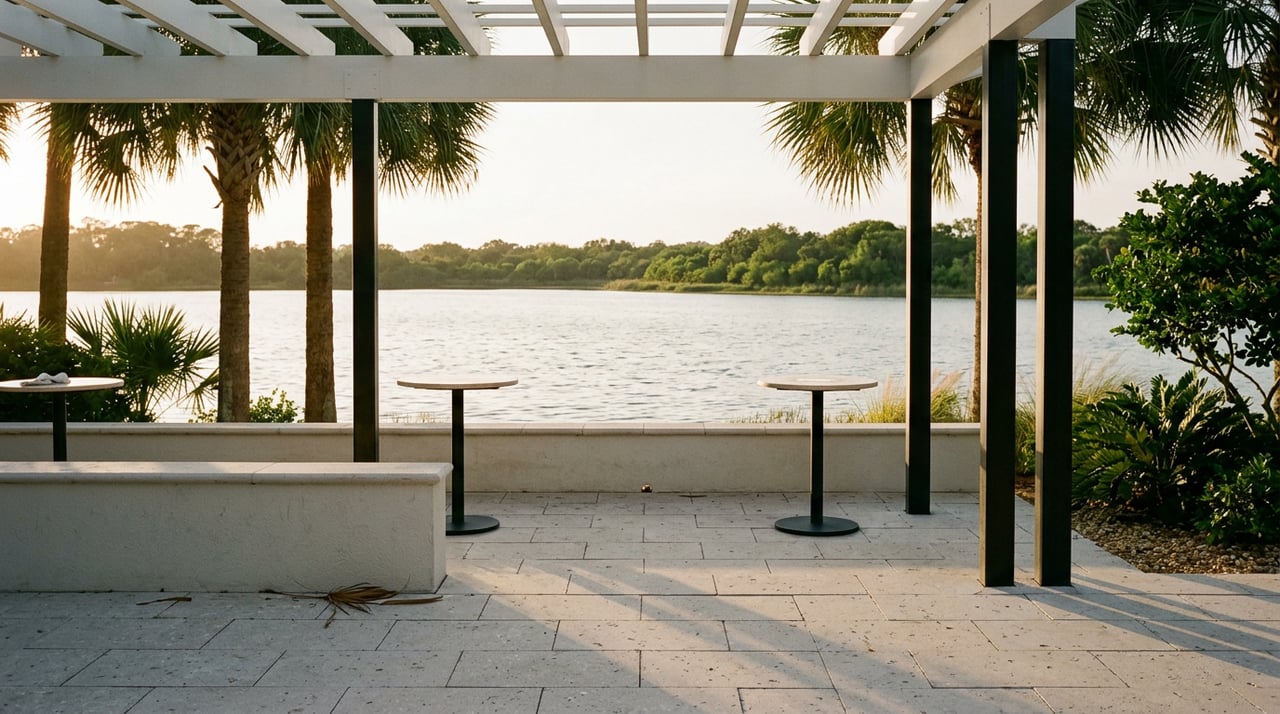
On open water, seawalls and riprap often trigger more permitting and can affect habitat. Where conditions allow, living shorelines use vegetation and low-profile structures to reduce erosion and support marine life. Explore Florida’s program and examples through the state’s Resilient Florida living shorelines page. Any work near the Coastal Construction Control Line or on submerged lands will require state and county review.
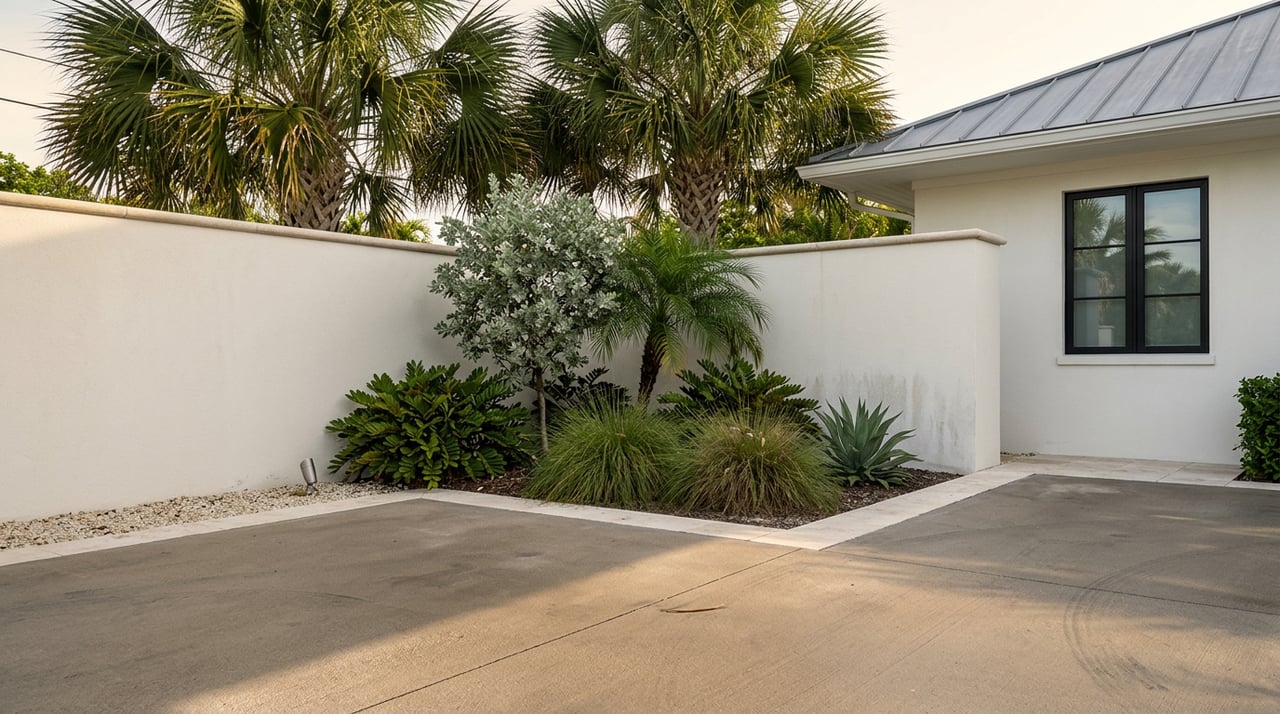
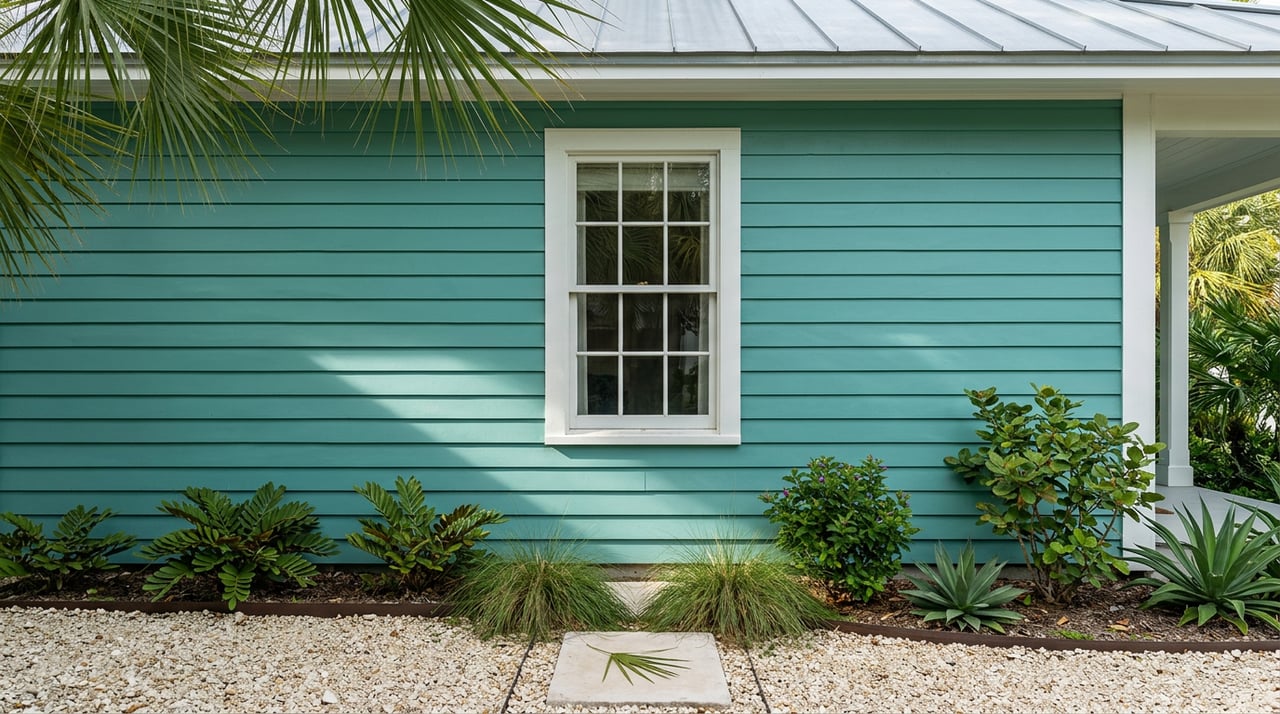
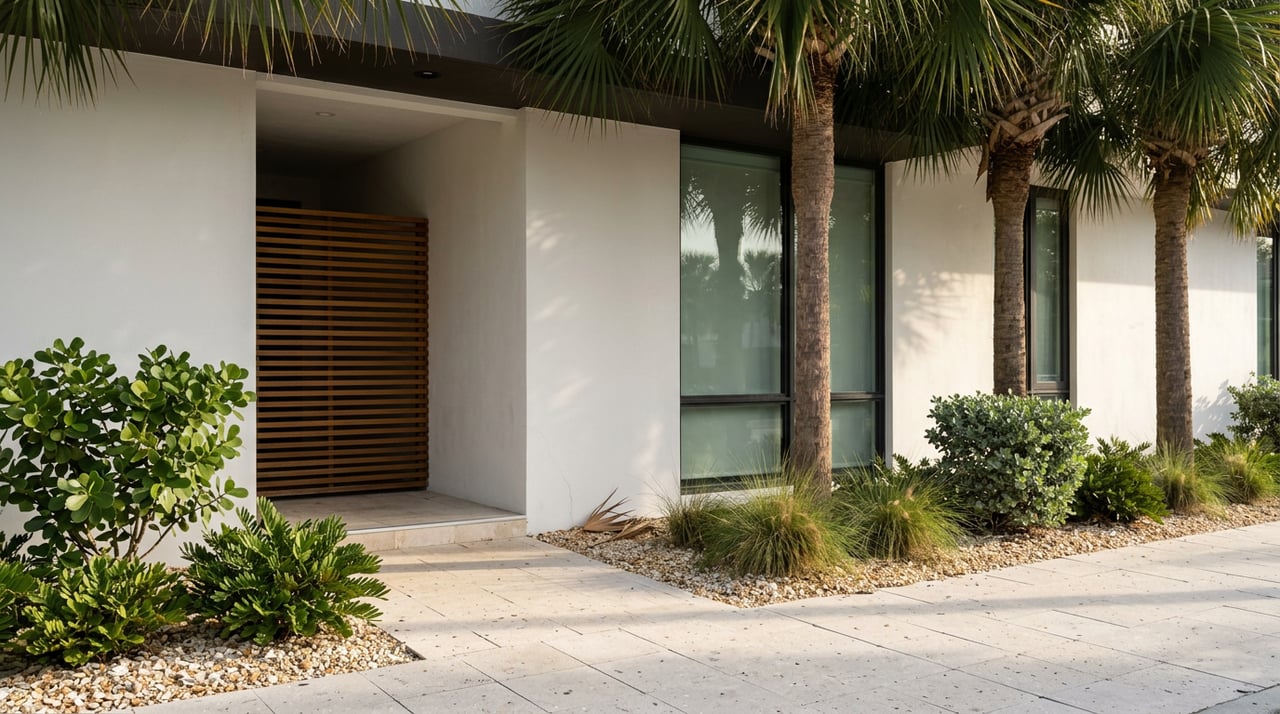
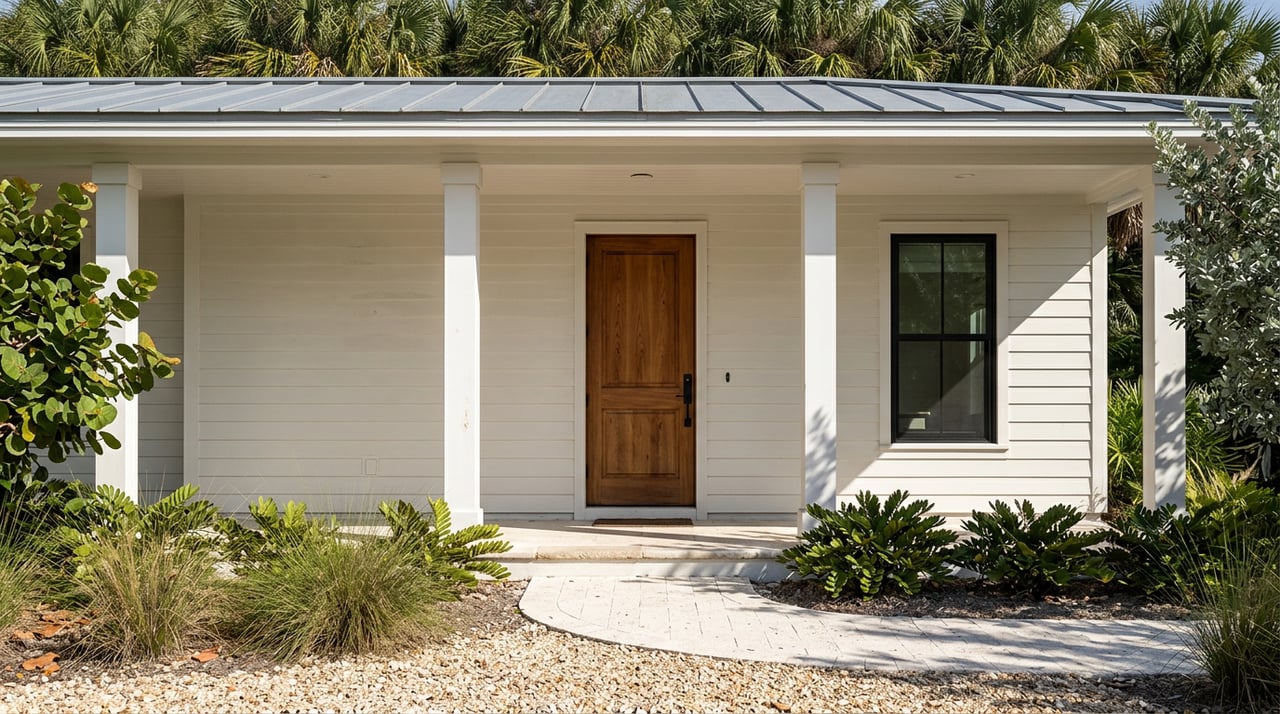
Select coastal-tough species for areas exposed to wind and spray, then reserve more sensitive plants for sheltered spots. Favorites include seagrape, cocoplum, sea oats, muhly grass, beach sunflower, and railroad vine. Browse UF/IFAS recommendations for salt-tolerant coastal plants.
Manatee County’s fertilizer ordinance restricts nitrogen and phosphorus use during the summer rainy season, with a blackout period from June 1 to September 30 and fertilizer-free buffers near water. Build your landscape plan around these dates and consider slow-release formulas outside the blackout. Review the county’s fertilizer rules and tips.
Good grading and permeable surfaces keep water away from your home and out of lounging areas. Direct downspouts to planting beds, add rain gardens or a cistern, and avoid low spots where water can sit. For comfort, consider a screened outdoor room and choose planters that do not hold water after storms.
If your home is in a Special Flood Hazard Area, your lender may require flood insurance. After projects that alter the lowest floor, decks, or grading, you may need an updated Elevation Certificate for permits or insurance. Ask your contractor to coordinate documentation early to prevent delays.
A well-designed outdoor space adds value and daily enjoyment when it fits the island’s environment and rules. If you want a plan that feels effortless, curated, and resale-ready, connect with Dianne Anderson. Our team coordinates trusted local pros, pre-listing updates through Compass Concierge, and a smooth path from concept to closing.
Stay up to date on the latest real estate trends.
My dedication to my clients, proactive communication, determination, and integrity are the core tenants of my business. I lead with respectful and keen negotiation skills, with the ability to cater and adapt to all my client's needs in an ever-changing market. Contact me today!