Guide to Buying a Vacation Condo on Sarasota’s Keys
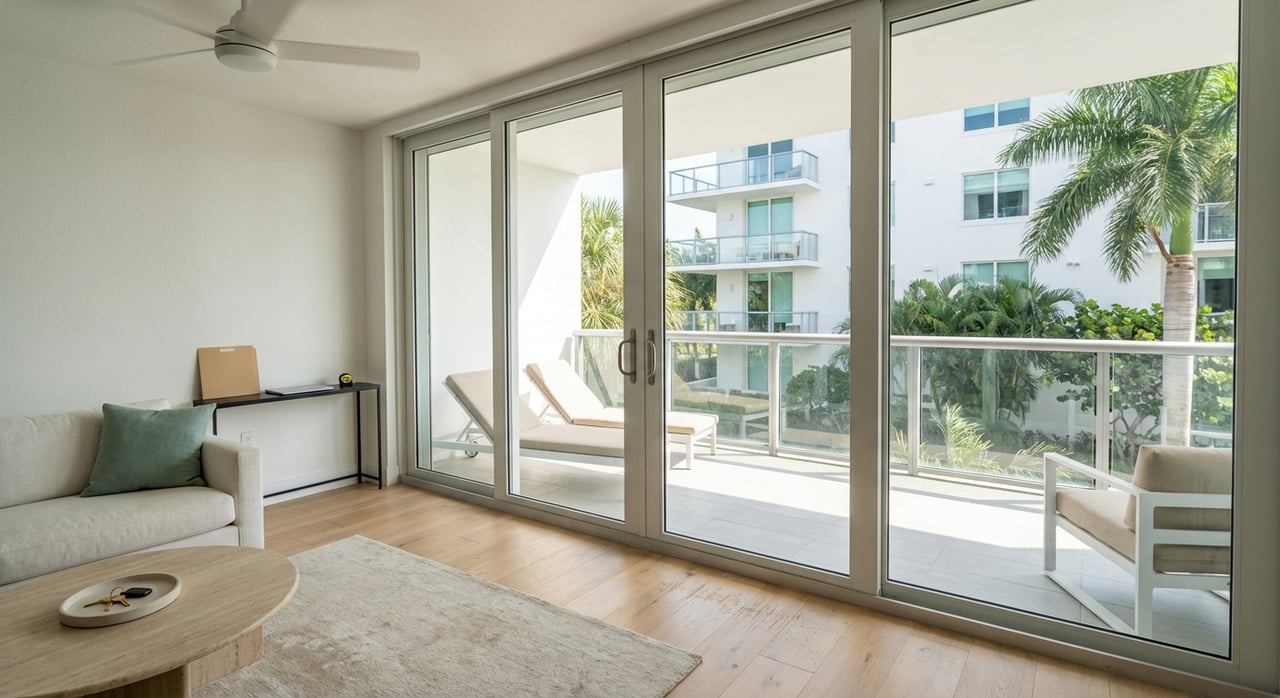
Dreaming of a beach place on Siesta or Lido Key that you can enjoy and possibly rent when you are away? Sorting out the rules, fees, insurance, and rental logistics can feel overwhelming at first. This guide walks you through the essentials so you can buy with confidence, plan realistic rental income, and avoid costly surprises. Let’s dive in.
Before you fall in love with a view, confirm these items for the exact address:
A few minutes on these three checks can save months of headaches later.
If the condo is inside city limits, the City of Sarasota requires a vacation-rental certificate of registration for certain single and multi-family dwellings. The city’s program includes application fees, inspections, a designated 24/7 responsible party, and a minimum stay of seven full days for qualifying dwellings. The city’s certificate process excludes condominiums and cooperatives from that specific registration requirement, so always confirm whether your unit is covered by the program and what standards still apply. City-issued certificates do not transfer at closing, so new owners must apply if a certificate is required by the property type. You can review the program details on the City’s official vacation rental page at Vacation Rental Registration and Compliance.
Most of Siesta Key sits in unincorporated Sarasota County. The county generally prohibits leases shorter than 30 days for single-family residential zoning. Many condo buildings on the barrier islands are in multifamily zoning, which can be treated differently. Do not assume nightly or weekly rentals are allowed until you verify the exact parcel zoning and the building’s leasing rules. For an overview of local zoning issues and barrier-island exceptions, see the Realtor Association’s summary on rental restrictions in Sarasota and Manatee County, then confirm details with county planning and the association documents for the building you are considering.
Florida’s Department of Business and Professional Regulation (DBPR) requires a vacation-rental license for transient public lodging in many cases, such as when a property is rented more than three times per year for less than 30 days at a time. State licensing is separate from local rules and often required in addition to city or county registrations. Review definitions and steps in the DBPR’s vacation rental licensing guide.
If you rent for six months or less, you must register and remit Sarasota County’s Tourist Development Tax, currently 6 percent. Marketplace platforms may collect some taxes, but you are still responsible for correct local registration and filings. Find forms and instructions on the Tax Collector’s page for the Tourist Development Tax.
Association fees vary widely across the Keys. Recent listings show monthly dues ranging from the low hundreds to well over $1,500, depending on the building’s age, amenities, insurance structure, and what utilities are included. Ask for the current budget, a breakdown of what the fee covers, and any scheduled increases.
Millage rates vary by location and special districts, so use the county tool to estimate taxes for a specific address. The Sarasota County Property Appraiser provides a helpful tax estimator you can use during your short list stage. Revisit the estimate after inspections and final pricing to keep your pro forma current.
In a Florida condo, the association carries the master policy for building and common elements, and you carry unit coverage, typically an HO-6, for interior finishes and contents. State law outlines these responsibilities for associations and unit owners. Review the association’s master policy declarations and the deductible schedule, especially wind and hurricane deductibles, because large deductibles can lead to special assessments on owners. See the insurance and budgeting standards in Florida Statute 718.111 on association insurance and reserves.
Flood exposure is also a key factor. Many Keys properties sit in FEMA Special Flood Hazard Areas. Recent FEMA map updates changed base flood elevations for thousands of county parcels, which can affect whether flood insurance is required and how much it costs. Ask for the unit’s FEMA zone and elevation certificate and get current quotes. Local reporting on the map updates is summarized here: FEMA flood map changes affecting Sarasota County parcels.
Your building’s governing documents control what is actually allowed, even if local zoning permits short stays. Read the leasing section for minimum stay length, how often you can rent per year, any first-year ownership restrictions, and whether there are rental caps. If any layer of rules limits short-term use, adjust your plan accordingly.
Sarasota’s barrier islands perform strongly in peak season, then moderate in shoulder months. A recent market snapshot for nearby Longboat Key shows average daily rates in the low to mid hundreds and occupancy around 30 to 50 percent, illustrating how seasonality impacts cash flow. Treat third-party snapshots as planning data rather than a guarantee and tailor your projections to your building and unit size. You can review a sample market view at AirROI’s Longboat Key report.
Build a conservative budget that includes:
Vacation-ready units do best when they feel complete and easy to use. Plan for durable seating and surfaces, comfortable beds and quality linens, a fully stocked kitchen, reliable Wi-Fi, and small but appreciated items like a hair dryer and iron. Provide a clear guest guide with parking, trash, and evacuation information. For coastal buildings, confirm impact-rated windows or a documented shutter system and know the building’s hurricane procedures.
If you will not be local, put systems in place so issues do not become emergencies:
Use this list to request documents up front and avoid surprises at closing.
Buying a vacation condo on Siesta or Lido Key can be both a lifestyle win and a smart long-term hold if you plan ahead. When you understand the rules, nail down the true cost of ownership, and select the right building for your goals, you set yourself up for a smooth purchase and confident rental operations. If you want a local, finance-savvy partner to help you evaluate buildings, interpret condo documents, and coordinate your closing, connect with Dianne Anderson for concierge-level buyer representation.
Stay up to date on the latest real estate trends.


My dedication to my clients, proactive communication, determination, and integrity are the core tenants of my business. I lead with respectful and keen negotiation skills, with the ability to cater and adapt to all my client's needs in an ever-changing market. Contact me today!