Bird Key's Median Price Is Averaging Two Different Markets Together

A buyer touring Bird Key on a Saturday morning can walk out of a 1960s ranch listed near $1.5 million and, four driveways later, walk into a rebuilt estate on a lot the same size asking $7 million. Same street, same water access, same gated island. The spread isn't a pricing error and it isn't luxury noise. It's the clearest signal on the island that Bird Key stopped being one market a while ago and split into two.
If you've been quoted a median price for Bird Key and treated it like a number that describes a typical home, it's worth stopping there. The median doesn't describe a typical home, because there isn't one. It reflects a mix of two entirely different trades that happen to sit on the same 250 acres.
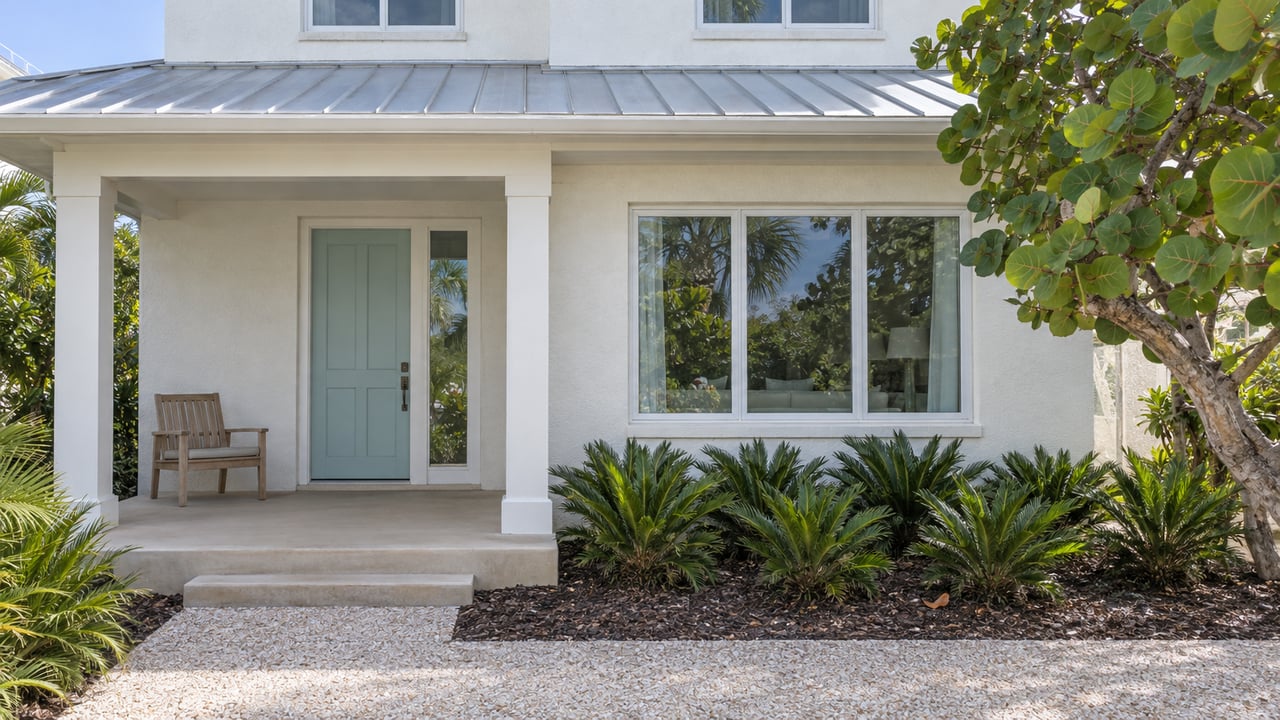
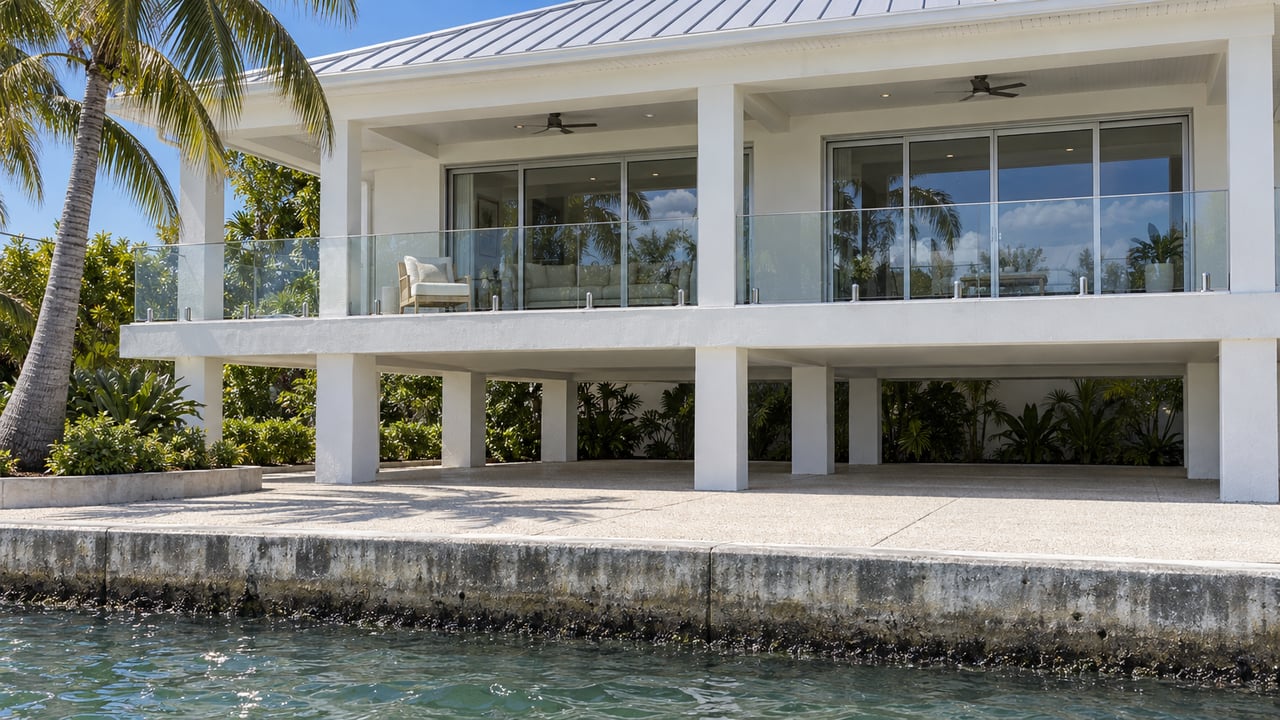
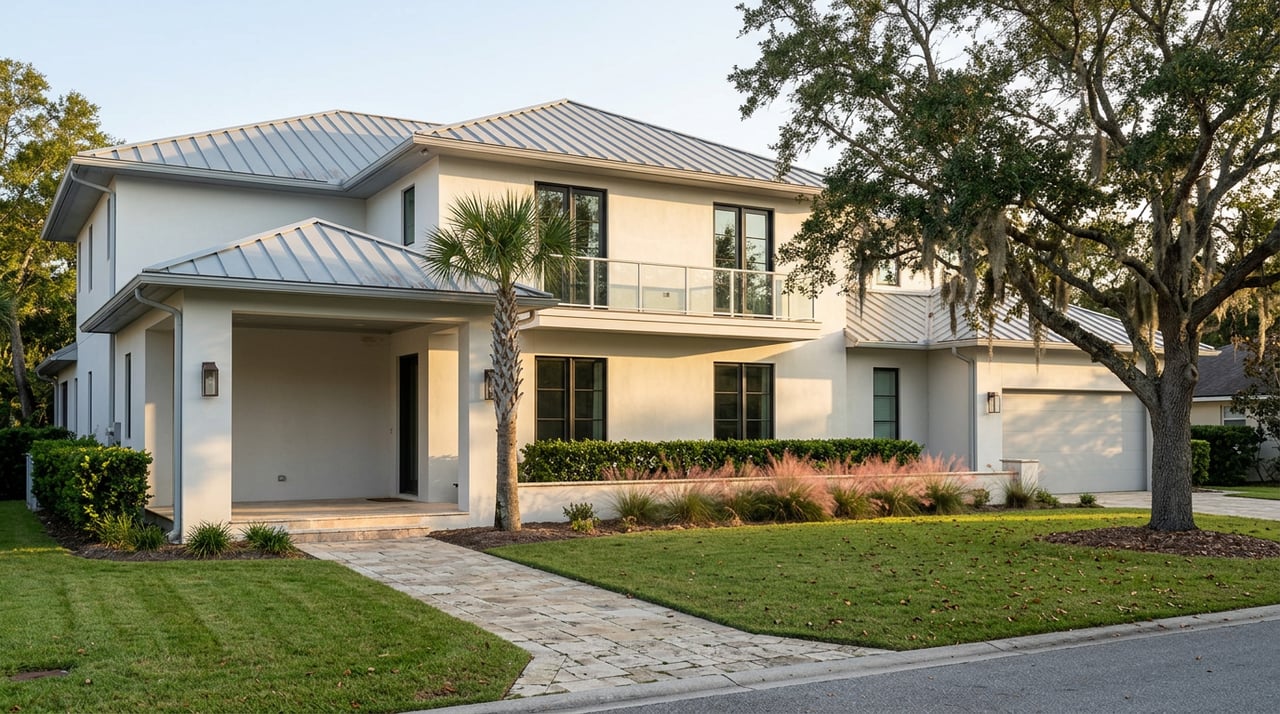
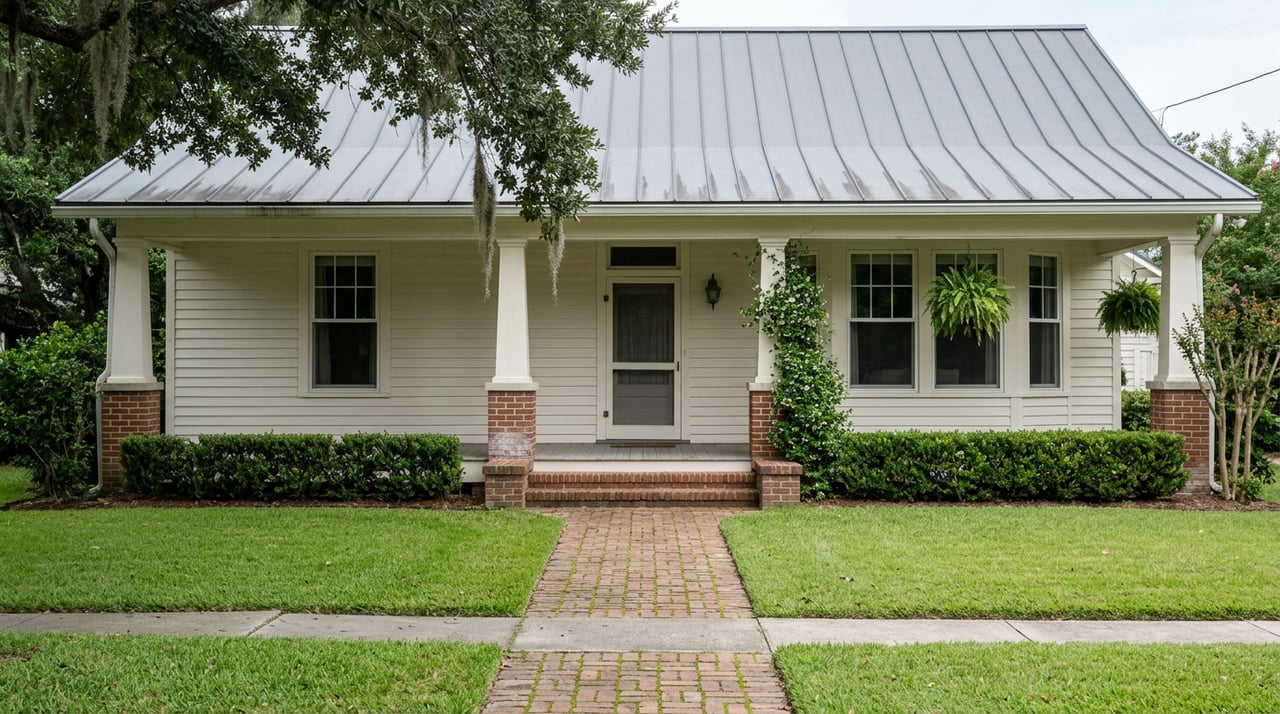
Bird Key was platted by the Arvida Corporation in 1959 through dredge-and-fill construction on roughly 250 acres, and its lot count, about 500 single-family homes, roughly 300 of them waterfront, has barely moved since. What has changed is what sits on those lots. A large share of the original 1960s construction is still standing, much of it non-elevated and never substantially updated. The rest of the current inventory is newer or fully rebuilt, raised to current flood standards, with modern docks and refreshed seawalls.
Those two categories don't price on the same curve. A non-elevated 1960s home on a strong lot is, in practical terms, trading at land value. The structure isn't really what a buyer is paying for. A rebuilt or newly constructed home on a comparable lot carries a real premium on top of that land value, because it comes without the permitting fight, the construction timeline, and the insurance uncertainty that comes with the older stock.
Spring 2026 portal data put Bird Key's median list price near $3.87 million at roughly $1,268 per square foot. Other 2026 sources tracking the smaller ranch-style product put that segment closer to $1.5 million. Both numbers are accurate. They're just describing different halves of the same island. Canalfront homes with no-bridge bay access commonly land in the low-to-mid $3 million range when updated or newly built, while open bayfront estates with real linear footage and skyline views have tested $8 million to $10 million and above. Garden lots without water frontage sit lower than either.
None of this is a story about luxury inflation. It's a story about two different products being marketed under one neighborhood name.
Here's the friction that catches buyers who've only shopped the finished-estate side of the island. Most Bird Key lots sit roughly 5 to 8 feet above sea level, and a lot of the original 1960s construction was never elevated to current flood standards. Under FEMA-tied floodplain rules, a substantial improvement to a non-elevated structure can trigger a requirement to bring the entire building up to current elevation compliance. This is often called the 50% rule, and it's the reason a buyer who thinks they're pricing a kitchen remodel can end up pricing a full foundation-level rebuild instead.
That single variable does three things at once. It affects whether standard insurance is available on the structure. It determines whether a renovation stays a renovation or becomes a teardown. And it's the reason a ranch priced at land value and a rebuilt home on an identical lot aren't comparable properties, even though a first pass at the comps might treat them that way.
Buyers who skip this step tend to make one of two mistakes. They either overpay for a non-elevated home because it looks like a bargain against the rebuilt comps, without pricing in what a 50%-rule renovation would actually cost. Or they walk away from a legitimate opportunity because they assume every older home on the island is a problem, when the right buyer with the patience for a rebuild can land on Bird Key for materially less than the finished-estate price.
The clearest evidence that Bird Key's future runs through the elevated column isn't in the listing data. It's in what the island's own institutions are spending money on right now.
The 65-year-old Bird Key Yacht Club was fully demolished in October 2025 to make way for a $27.5 million replacement clubhouse. Club leadership had originally considered a straightforward renovation, and members initially rejected the more ambitious rebuild proposal. The rebuild offers a useful comparison for private homeowners on the island: renovating a structure that isn't code-compliant doesn't actually solve the long-term problem. The club broke ground on the new facility on November 13, 2025, with Tandem Construction handling the build and DSDG Architects designing a single-story clubhouse that will sit in the original footprint but be raised to meet FEMA standards, with underground vaults added to manage stormwater. The project had originally targeted a soft opening around August 2026, with the club's public goal now centered on being ready for its year-end social calendar.
At the same time, the island's only road connection is under its own resilience upgrade. The Florida Department of Transportation began construction on State Road 789, the stretch of the John Ringling Causeway running from Bird Key Drive to Sunset Drive, on December 28, 2025, with work expected to run through early 2027. The project raises the seawall cap near Sunset Drive, adds drainage upgrades, installs new traffic signals at the Sunset Drive, Golden Gate Drive, and Bird Key Drive intersections, and adds dedicated bicycle and transit lanes. The speed limit through the construction zone has been reduced to 35 mph, with fines doubled when workers are present.
Both projects involve investments in resilience. A facility or roadway that can't meet current standards can become a liability that only grows more expensive to defer. That's the same calculation facing every owner of a non-elevated home on the island, and it's a large part of why the premium for elevated, code-compliant construction on Bird Key isn't arbitrary. It's the price of not having to make that same decision yourself.
Before treating any Bird Key comp as apples-to-apples, a few questions do more work than square footage:
Countywide luxury conditions add one more layer of context. Sellers across the Sarasota luxury tier were receiving a median of 93.7 percent of original list price as of spring 2026, and bayfront properties above $3 million were often sitting 120 to 180 days before finding the right buyer. That gives a buyer real leverage on a slower-moving, non-elevated listing. It gives almost none on a well-priced, code-compliant estate, where supply on a 500-home island with a fixed lot count is the deeper constraint.
If I buy a non-elevated home on Bird Key, do I have to rebuild it right away? No. You can own and insure an existing non-elevated structure as-is. The 50% rule only becomes relevant if you undertake a substantial improvement, at which point the project can be required to meet full current elevation standards rather than a partial upgrade.
Does the Yacht Club rebuild or the causeway construction affect home values directly? Neither project changes a home's assessed value on its own. What they demonstrate is that the institutions responsible for the island's shared infrastructure are treating flood resilience as a required investment rather than an optional upgrade, which is the same logic driving the price gap between elevated and non-elevated homes.
Is a teardown always the better financial move on an older Bird Key property? Not always. It depends on the lot, the extent of any needed dock or seawall work, and current construction costs, which have risen substantially in recent years. A full comparison of renovation-under-the-50%-rule costs against new construction costs is worth running before assuming either path is cheaper.
If you're comparing a Bird Key listing against another Sarasota-area waterfront property and want help reading which side of this split it actually falls on, Dianne Anderson can walk through the comps with you street by street. Let's Connect.
This article is general information, not legal, tax or financial advice. Consult a qualified professional about your situation.
Stay up to date on the latest real estate trends.


My dedication to my clients, proactive communication, determination, and integrity are the core tenants of my business. I lead with respectful and keen negotiation skills, with the ability to cater and adapt to all my client's needs in an ever-changing market. Contact me today!