Why Longboat Key Condo Special Assessments Still Rise
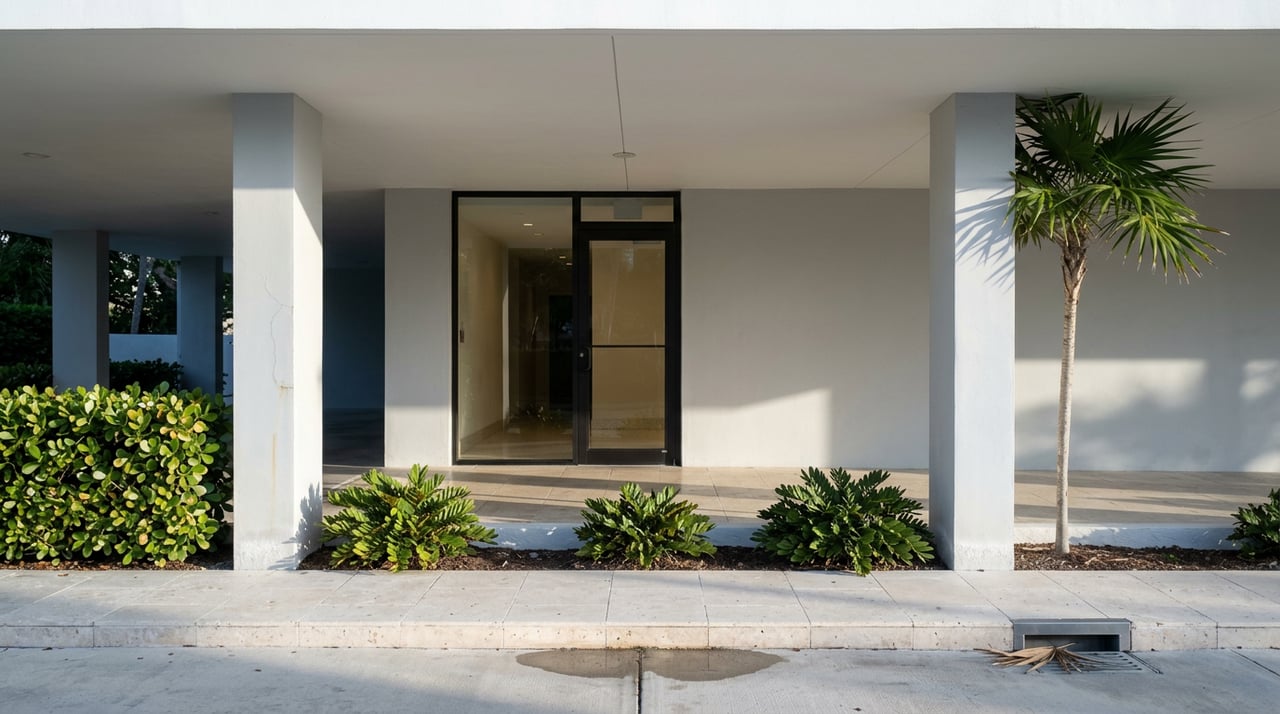
Every condominium tower on Longboat Key old enough to require Florida's milestone inspection has now cleared it. All 198 buildings that the town identified as subject to the state's post-Surfside structural review passed their first-round Phase 1 inspection, and only two needed the more invasive Phase 2 follow-up. By any measure that is a good outcome for an island lined with towers built in the 1970s and 1980s.
And yet owners in those same buildings have watched their quarterly assessments climb for three years running, with some Gulf-front towers reporting dues up 20 to 40 percent since the rules changed. If the buildings are structurally sound, where is that money going? The answer is the piece of this story most buyers and sellers still get backward: a passing milestone inspection and a fully funded reserve account are two completely different documents, produced by different professionals, answering different questions. One tells you the building will not fall down. The other tells you what it will cost to keep living in it.
Longboat Key's Planning, Zoning and Building Director, Allen Parsons, has described the town's role in this process as something closer to a records keeper than an enforcer. The town notifies associations when their building crosses the 30-year threshold, receives the completed engineering reports, and forwards them to the state. The actual inspection work on the island's southern end, where buildings like Beaches of Longboat Key (built 1984), Regent Place of Longboat Key (1995), and Longboat Key Towers (1970) sit within a few hundred yards of each other, has been handled by outside engineering firms including the Tampa-based Thornton Tomasetti. A milestone inspection is a visual, and sometimes destructive, structural review. It checks load-bearing components, looks for signs of concrete spalling and rebar corrosion from decades of salt exposure, and produces a pass or a referral to Phase 2.
What it does not do is tell an association how much money it needs to save, or whether it has been saving enough.
David Novak, who manages more than 900 residential units on the island through Longboat Private Services, put the underlying tension plainly:
"There is no magic to get around being a good steward of the property."
Associations that funded their reserves properly for decades are simply continuing to do what they always did. Associations that voted to waive or underfund those reserves, which Florida law allowed until recently, are now required to catch up all at once. That catch-up is what shows up on an owner's next assessment notice, not the inspection result.
The structural integrity reserve study, or SIRS, is the second half of Florida's post-Surfside framework, and it is the one that actually determines whether a building's finances match its physical condition. Where the milestone inspection is a pass or fail on structural safety, the SIRS is a funding math problem across eight components: roof, load-bearing structure, fireproofing and fire protection, plumbing, electrical, waterproofing, windows and exterior doors, and any other item over the current inflation-adjusted threshold if its failure would affect one of those categories.
| Milestone Inspection | SIRS | |
|---|---|---|
| Question it answers | Is the building structurally safe right now? | Is the association saving enough to keep it that way? |
| Who performs it | Licensed engineer or architect | Engineer, architect, or certified reserve specialist |
| Required interval | Every 10 years starting at building age 30 (25 in some coastal cases) | Every 10 years |
| Can reserves be waived | Not applicable | No, for budgets adopted since December 31, 2024 |
| What a bad result means for a buyer | Phase 2 review, possible repair timeline | Rising dues or a special assessment to close the funding gap |
For Longboat Key's older stock, the SIRS tends to surface the same recurring items: concrete spalling on Gulf-exposed facades, and in buildings from the 1970s, cast-iron plumbing risers that were never designed to last this long. The inspection captures the urgency. The SIRS captures the invoice.
Before 2022, an association could vote to waive reserve funding for these items entirely, and many did, treating painting and roofing as the only mandatory reserve lines. That option is gone. For any budget adopted since the end of 2024, the eight structural categories in a SIRS cannot be waived by owner vote. A building with a history of waivers is now legally required to fund the gap, and the size of that gap, not the inspection grade, is what determines whether an owner's next bill is routine or painful.
Florida law already puts specific obligations on condo sellers, and they tightened again after Surfside. For contracts entered after December 31, 2024, sellers must disclose whether the association's required milestone inspection or SIRS work has actually been completed, not just that the building is subject to the requirement. That sits alongside the older general duty under Florida law that a seller must disclose known material defects even if they were later repaired.
The estoppel certificate, which lists current assessments, any pending special assessments, and open violations, is a required closing document that the association must issue within 10 business days of a request. On an island where scheduling tightens during the winter and spring season, waiting until under contract to request that document is one of the more common ways a closing timeline slips.
If your building has already completed its SIRS, funded its reserves, and cleared its milestone inspection with a clean report, that paperwork is a selling point, not paperwork to bury. Buyers in 2026 are reading these documents closely enough that a building with a documented, funded plan stands out from one that does not.
A buyer's condominium review period under a standard FAR/BAR contract is the window to get real answers, not a formality to rush through. Before that period closes, ask for:
A building that shows a clean milestone inspection but a thin, recently corrected reserve history is telling you exactly where its costs are headed. A building with a clean inspection and a decade of consistent, unwaived funding is a different asset entirely, even if the sticker price looks similar.
Multiple bills aimed at softening the reserve-funding timeline were introduced in the 2026 legislative session, including proposals to extend deadlines or allow lower-cost alternatives to a full SIRS. None passed. Lawmakers have shown little appetite for anything that could be framed as weakening safety standards this soon after a collapse that killed 98 people. The practical effect for anyone buying or selling here is that the current framework, including the requirement that any budget adopted since the end of 2024 fully fund the eight SIRS categories, is the framework you should plan around, not a placeholder waiting for a legislative fix.
If a building passed its milestone inspection, does that mean no special assessment is coming? No. The inspection addresses structural safety. A separate SIRS determines whether reserves are adequate, and a passing inspection with an underfunded SIRS is exactly the combination that produces a special assessment.
What is the actual deadline difference between the milestone inspection and the SIRS? Buildings that had already passed 30 years of age when the law took effect had to complete their first milestone inspection by December 31, 2024, with newer buildings getting their own 10-year clock once they reach that age. The SIRS had a separate deadline of December 31, 2025, with a narrow allowance for buildings whose milestone inspection is due on or before December 31, 2026 to complete both together, but never later than that date.
How do I find out if a specific building's reserves are actually funded, not just discussed? Request the SIRS funding table directly, which shows the current reserve balance against the amount needed for each structural component, and cross-reference it against two years of board minutes to see whether the association has been contributing at the level the study recommends.
Milestone inspections and reserve studies are now part of every serious condominium conversation on this island, and reading them correctly before you write or accept an offer is the difference between a predictable purchase and an expensive surprise. If you are weighing a building on Longboat Key, whether as a buyer trying to separate a sound investment from a deferred-maintenance problem, or as a seller trying to present your building's financial health honestly, Dianne Anderson can walk through a specific building's inspection and reserve history with you before you make a decision either way. Let's Connect.
Stay up to date on the latest real estate trends.


My dedication to my clients, proactive communication, determination, and integrity are the core tenants of my business. I lead with respectful and keen negotiation skills, with the ability to cater and adapt to all my client's needs in an ever-changing market. Contact me today!