Timing Your Move: Best Time to Buy in Sarasota & Siesta Key
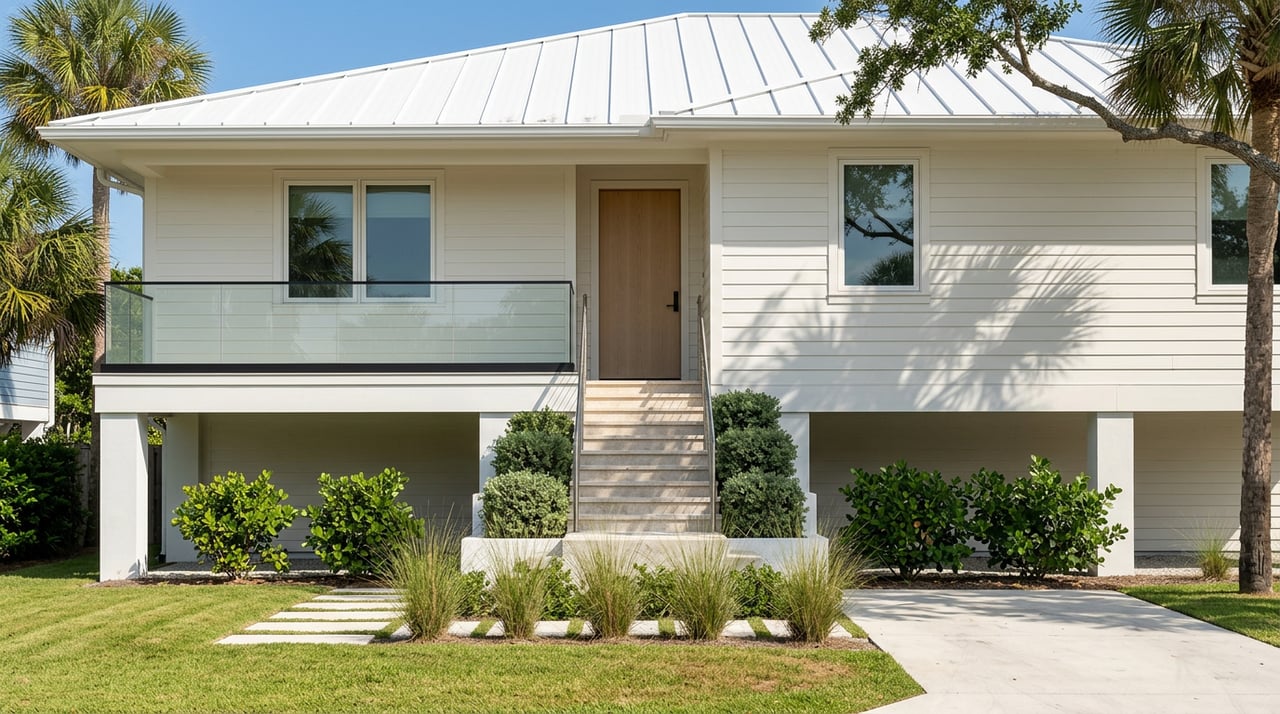
Thinking about a move on Siesta Key but not sure when to pull the trigger? Timing your sale or purchase can shape your price, your leverage, and how fast you close. You want clear, local insight that cuts through the noise and fits the unique rhythm of Sarasota’s coastal market. In this guide, you’ll learn how seasonality affects condos and single-family homes differently, what data to watch, and the practical timelines that help you act with confidence. Let’s dive in.
Siesta Key follows a strong seasonal pattern. Peak visitor season typically runs late fall through spring, with the heaviest flow in December through March. That influx brings more in-person buyers to the barrier islands and increases showing activity and competition for well-presented homes and condos. You can see that timing reflected in local tourism patterns and beach traffic guides that highlight winter and spring as prime months to visit. For context, see the overview of peak beach months in Sarasota from a local lifestyle source that outlines why winter and spring bring more people to the coast (best time to visit Sarasota beaches).
County data also show a split between property types. In 2025, Sarasota single-family inventory hovered near a balanced level around 4 to 5 months of supply, while condos and townhomes expanded to about 8.1 months of supply and took longer to sell. That pattern continued in early 2026, with condo months of supply still elevated. You can review these differences in the REALTOR Association of Sarasota & Manatee reports for the year-end 2025 market and the January 2026 snapshot (RASM 2025 year-end, RASM January 2026 report).
Siesta Key itself is a premium micro-market. Public portal snapshots place the Siesta Key median listing price near 1.10 million dollars, with median days on market around 76 days and an average sale-to-list ratio near 93 percent. Micro-markets on the island can move at different speeds, so you’ll want to compare your exact building or neighborhood against these island-wide reads.
If you want negotiating room and a wider selection, consider shopping in late spring through early fall. Buyer traffic typically lightens after snowbird season, and you may find more price reductions and longer inspection windows. County data from 2025 show condos carried about 8.1 months of supply and a longer median time to sale, which can translate to more buyer leverage in the condo tier compared with single-family homes (RASM 2025 year-end).
In early 2026, condo inventory remained elevated in many reads, reinforcing that buyers in this segment could have room to negotiate, especially off-season. Tracking the monthly reports helps you confirm if this leverage is improving or tightening before you write an offer (RASM January 2026 report).
If you need to buy between December and March, plan to compete. You’ll face more in-person showings and quicker offers on turnkey listings. To set yourself up to win:
If your goal is maximum in-person exposure, listing from late October through January positions you for peak winter traffic. Beach and visitor guides highlight winter and spring as the most popular times to be here, which tends to lift showing volume on the keys (best time to visit Sarasota beaches). In that window, a well-priced, move-in-ready home or condo often sees quicker interest.
Plan your prep 8 to 12 weeks before your target list date. That timeline gives you room for light improvements, staging, photography, and pulling condo or HOA documents. In 2025, Sarasota single-family homes were closer to balanced supply than condos, so the best time to sell depends on your property type and price band (RASM 2025 year-end).
Selling in summer can still work when you control the controllables. Focus on presentation, accurate pricing, and convenience for showings. Condos took longer to sell in 2025 than single-family homes, so allow a longer exposure period and set expectations around time to offer and time to close. If you are considering value-adding updates before listing, a coordinated pre-list plan and professional marketing can help your property rise above competing inventory.
You do not need to guess. A few clear indicators tell you who has leverage and how to set strategy:
If rental income matters, understand how seasonality affects value. Short-term rental demand on the keys typically peaks in winter and spring, supporting higher occupancy and daily rates in-season. That can lift valuations for units with legal, permitted rental ability, but rules vary by municipality and by building HOA. Review directional STR market summaries for Florida and confirm all building and local rules before you rely on income estimates (Florida STR market overview).
Local event calendars and visitor guides also point to heavier winter activity, which can help you time listings that appeal to seasonal renters and snowbirds. For seasonal context, scan the Siesta Key Chamber’s visitor guide and events listings to see when travel peaks on the island (Siesta Key Visitors Guide).
A clear calendar helps you hit the market at the right moment without rushing.
For sellers aiming at winter exposure:
For buyers balancing speed and leverage:
Siesta Key rewards smart timing and a clear plan. Whether you want maximum exposure for a beachfront listing or more negotiating room on a condo purchase, the right window and a data-led strategy can save you time and money. If you are weighing options, connect with a local advisor who pairs neighborhood nuance with concierge service. To discuss your timing and next steps, reach out to Dianne Anderson.
Stay up to date on the latest real estate trends.
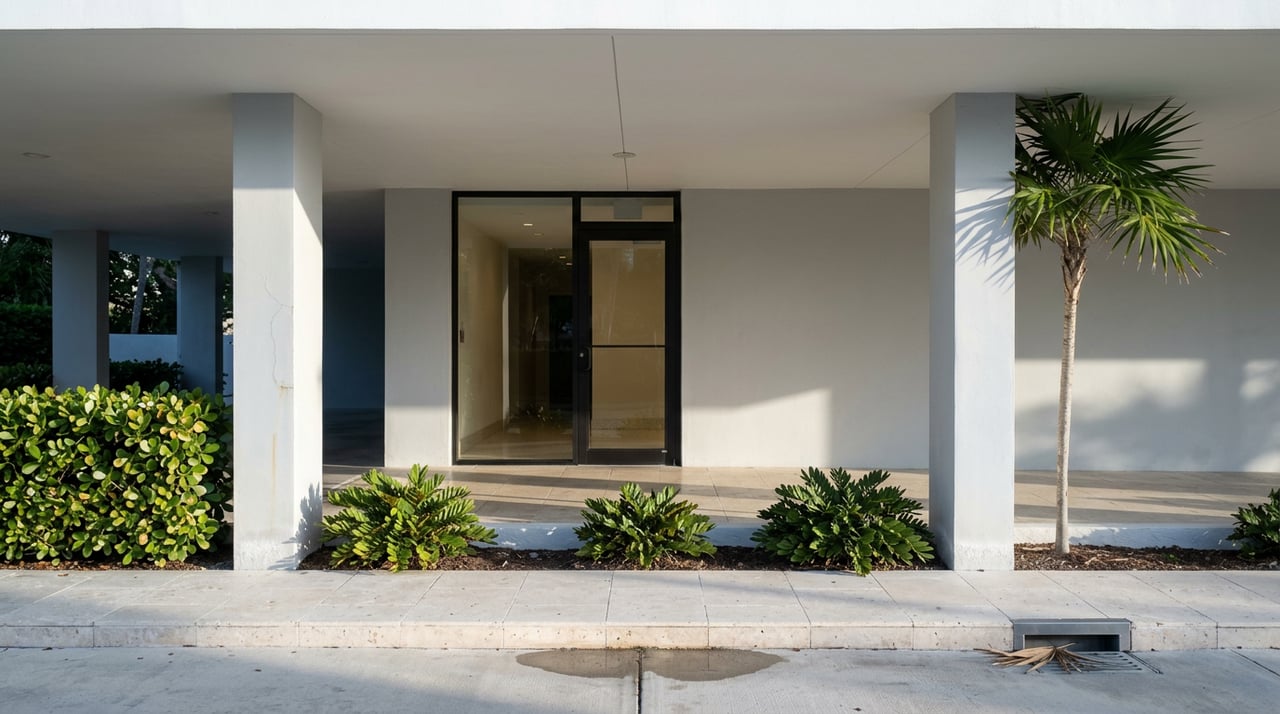
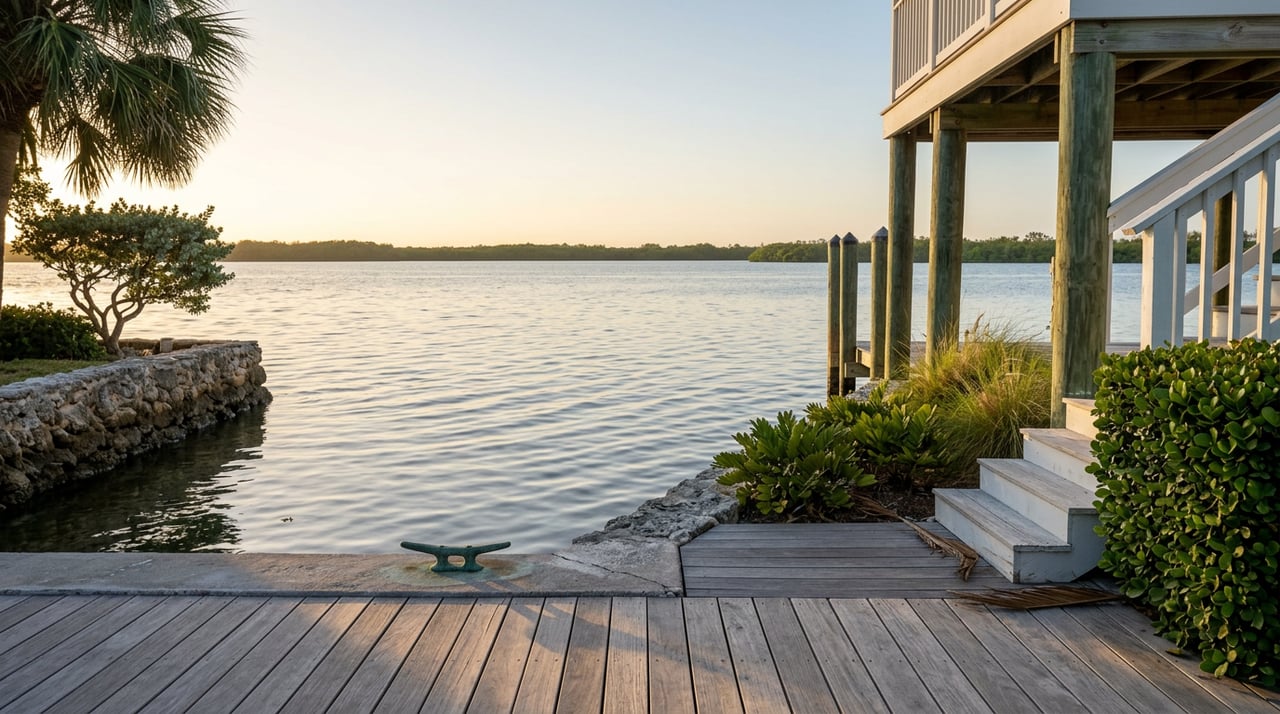
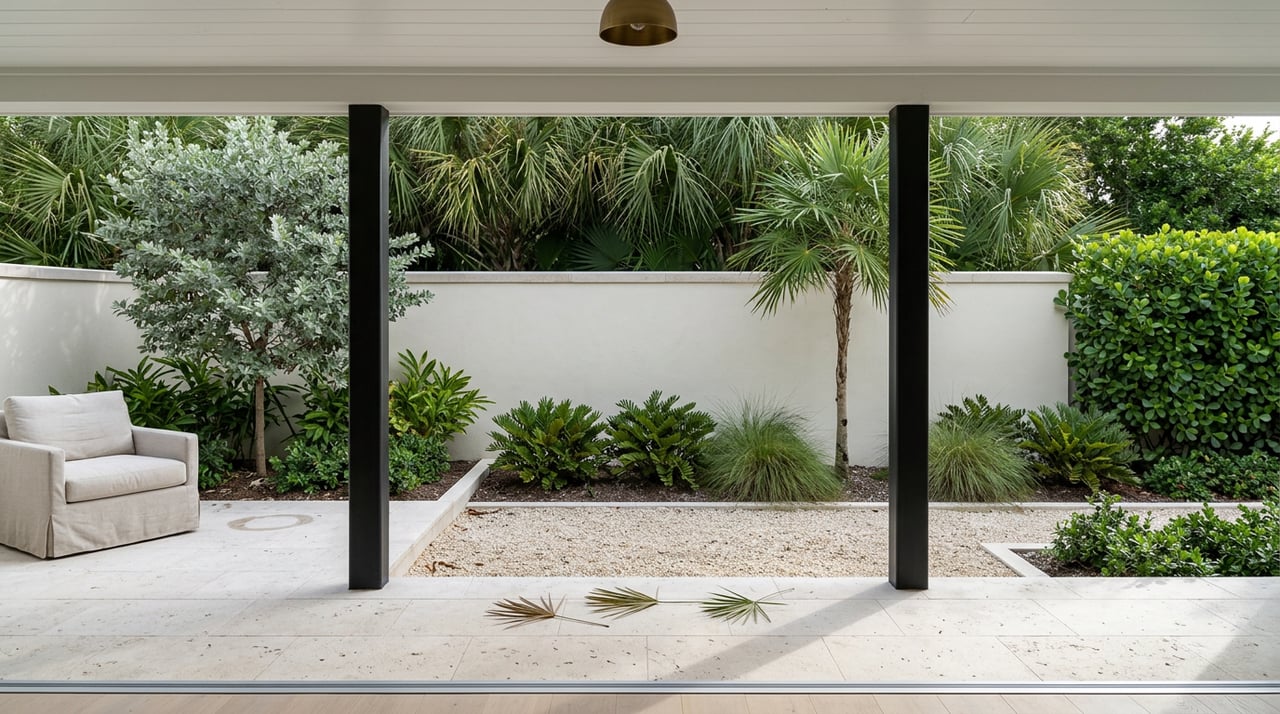
My dedication to my clients, proactive communication, determination, and integrity are the core tenants of my business. I lead with respectful and keen negotiation skills, with the ability to cater and adapt to all my client's needs in an ever-changing market. Contact me today!