Comparing Manatee County Master Planned Communities
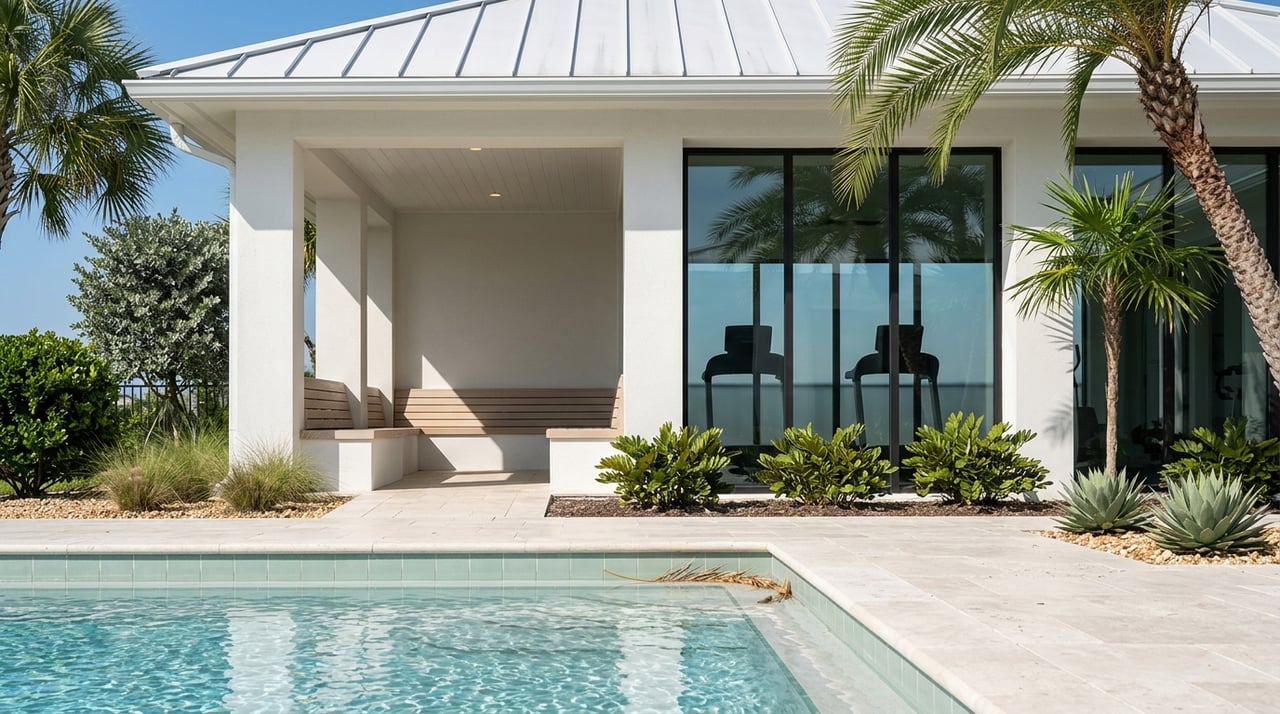
If you are drawn to resort pools, pickleball courts, golf, trails, marinas, and busy social calendars, Manatee County gives you plenty of options. The challenge is that two homes with similar prices can come with very different monthly costs, rules, and long-term obligations once you look past the front gate. This guide will help you compare amenity-rich communities more clearly, so you can match the lifestyle you want with the full cost of ownership. Let’s dive in.
In Manatee County, amenity-rich living can mean very different things depending on the community. You may be comparing a large master-planned development, a gated golf neighborhood, a riverfront club community, or a multi-story condo with shared facilities.
A strong local example is Lakewood Ranch, a 35,000-plus-acre master-planned community that spans Manatee and Sarasota counties and has more than 78,000 residents. The community describes a master-planned community as one that coordinates homes with schools, retail, restaurants, businesses, recreation, and natural habitat.
Other Manatee County communities show how varied the mix can be. Some focus on golf and fitness, while others center on trails, pools, boating access, dining, or resident events. That is why it helps to define what “amenities” really means for your household before you start touring homes.
Many Lakewood Ranch villages offer pools, clubhouses, fitness centers, and racquet or sports courts through HOA fees. According to the community FAQ, HOA dues generally range from $100 to $800 per month, with most falling between $200 and $300.
Lakewood Ranch also uses a Stewardship District Fee. That fee helps fund infrastructure, amenities, trails, lakes, road enhancements, and conservation areas, which means your total monthly or annual ownership cost may include more than the HOA alone.
Esplanade at Azario in Lakewood Ranch is described as a 1,250-home private gated neighborhood. Its amenities include an 18-hole championship golf course, three resort pools, a salon and spa, two gyms, pickleball, tennis, dining venues, and an active event calendar.
For buyers who want a strong resort feel and organized activity, this type of setup can be a great fit. It also highlights why you should ask which amenities are included in standard ownership and which may come with separate fee structures.
North River Ranch in Parrish is marketed as a walkable, bikeable master-planned community. It features miles of trails, three resort pools, pickleball courts, a bike share and pump park, on-site shopping, on-site schools, and a new hospital.
This kind of community often appeals to buyers who want a neighborhood with everyday convenience and recreation built into the layout. If that sounds like your priority, the value may be less about one signature amenity and more about how the whole community functions day to day.
Waterlefe Golf & River Club is a gated 617-home community with a 59-slip marina on the Manatee River, championship golf, a river club dining facility, a fitness center, a saltwater lap pool, and social gathering spaces.
That mix creates a different lifestyle than a large master-planned development. If boating, river access, and club-style gathering spaces matter to you, communities like this can stand out quickly.
River Strand Golf & Country Club in Bradenton offers a 27-hole championship golf facility, nine Har-Tru tennis courts, nine pickleball courts, dining, fitness classes, social clubs, and resort-style pools. For buyers who expect to use sports and social amenities often, a community like this can offer strong everyday value.
The key is to compare not just the list of amenities, but how often you expect to use them. A golf-centered or club-centered community makes the most sense when the lifestyle lines up with your routine.
One of the biggest mistakes buyers make is comparing only the HOA number. In Florida, amenity-rich ownership can involve several recurring charges, including HOA dues, district assessments, club dues, and condo association fees where applicable.
That matters because the true carrying cost may be split across several documents and several payees. A home that looks affordable at first glance may have added layers that change the monthly picture.
When you buy into an amenity-rich community in Manatee County, you may see costs tied to:
Florida HOA law requires annual budgets to separately list fees or charges paid for recreational amenities. The budget may also include reserve accounts for capital expenditures and deferred maintenance, and if reserves are not fully funded, the financial report must warn that special assessments may result.
Amenities are only one part of the decision. You are also buying into a system of budgets, maintenance obligations, and community rules.
In communities with layered governance, one entity may handle neighborhood amenities, while another funds larger infrastructure or natural features. In Lakewood Ranch, for example, the village HOA may cover amenities, common-area maintenance, and sometimes lawn care and irrigation, while the Stewardship District fee is a separate layer.
For other Florida master-planned communities, this separate layer may be a CDD instead. County property appraiser materials define non-ad valorem assessments as fees for services such as roads, fire, garbage, lighting, drainage, water, sewer, and other public services.
If you like the home and the neighborhood, the next step is document review. In amenity-rich communities, these documents are just as important as the property itself because they explain what you are agreeing to pay for and how the community operates.
For HOA communities, Florida requires a disclosure summary before contract execution. If it was not provided, the buyer may void the contract within three days after receipt of the summary or before closing, whichever occurs first.
That summary warns buyers about assessments, possible special assessments, possible municipal, county, or special-district assessments, and possible rent or land-use fees for shared facilities. In practical terms, it is a reminder to look at the full ownership picture, not just the sales price.
For condominiums, the seller must provide a current package with key documents. These include the declaration, articles, bylaws and rules, annual financial statement and budget, FAQs, milestone summary if applicable, the most recent structural integrity reserve study or a statement that none exists, and any turnover inspection report if applicable.
If required condo documents were not delivered, the buyer generally has seven days, excluding weekends and legal holidays, to cancel after receipt. That timeline makes it important to review materials promptly and carefully.
Florida HOA and condo statutes require associations to keep records for years and make them available to owners within 10 business days upon written request. HOA records include governing documents, budgets, contracts, insurance policies, and financial records, while condo records also include audits, reviews, accounting statements, reserve studies, and financial reports.
These records can tell you a lot about how a community is managed. They can also reveal whether a community has been planning ahead for repairs and maintenance.
If you are buying a condo, especially in a building three stories or higher, your review needs to go deeper. Florida requires milestone inspections on the statutory schedule tied to the building’s age, and residential condo associations must complete a structural integrity reserve study at least every 10 years.
For budgets adopted on or after December 31, 2024, unit-owner-controlled associations that must obtain a SIRS generally may not vote to provide no reserves or less than the required reserves for the covered components. That can affect both monthly costs and future planning.
For you as a buyer, this means condo documents are not just paperwork. They are part of understanding the building’s physical condition, reserve strategy, and possible future expenses.
The best amenity package is the one you will actually use. Buyers who love golf, swimming, pickleball, boating, fitness classes, trails, or organized social events may find real value in communities that build those features into daily life.
Lakewood Ranch highlights more than 60 clubs and weekly activities, while communities like North River Ranch and Waterlefe emphasize trails, pools, fitness, dining, marina access, and resident programming. If those features support the way you want to live, the added cost may feel worthwhile.
If you rarely use shared amenities, the math may look different. Paying for a long list of extras you do not use can make a community feel less efficient, even if the home itself is a great fit.
A clear question list can save you money and frustration later. Before you commit, ask for direct answers to these points:
These questions help you compare communities on equal footing. They also make it easier to spot when one property carries hidden costs that another does not.
Amenity-rich communities can be rewarding, but they are rarely simple. Between layered fees, different governing bodies, reserve funding, and community-specific documents, the smartest purchase is usually the one you understand fully before you close.
That is especially true if you are relocating, buying a second home, or comparing several Manatee County neighborhoods at once. Having a local advisor who can help you organize the details, ask the right questions, and keep the process moving can make the decision feel much more manageable.
If you are exploring amenity-rich communities in Manatee County and want clear, local guidance, connect with Dianne Anderson for thoughtful support, strong negotiation, and a smoother path from search to closing.
Stay up to date on the latest real estate trends.

My dedication to my clients, proactive communication, determination, and integrity are the core tenants of my business. I lead with respectful and keen negotiation skills, with the ability to cater and adapt to all my client's needs in an ever-changing market. Contact me today!